Press release
Public Health LEADS Voices Coffee Chat Corner

Public health systems don’t operate on policy and data alone, they rely on people. For Breyana Davis, that belief sits at the center of her work strengthening the public health workforce across North Carolina.
In her current role at the UNC Gillings School of Global Public Health’s North Carolina Institute for Public Health as a workforce development lead, Breyana partners closely with governmental public health staff and community organizations to help them build leadership pipelines, foundational capabilities, and more human-centered workplace practices. Much of this work happens alongside teams serving diverse and often under-resourced communities, where capacity-building is both urgent and deeply personal.
Public health systems can only be as strong as the people within them.
Breyana’s path into workforce development was shaped by seeing firsthand how workforce strength or the “lack of it“ directly affects community outcomes. What keeps her engaged is watching teams grow: staff gaining confidence, developing new competencies, and building environments where people feel supported, respected, and equipped to lead change.
That growth is especially meaningful in moments of strain. Recently, Breyana supported local workforce teams navigating staff shortages, burnout, and rapidly shifting community needs. Through adult learning, peer coaching, and technical assistance, teams worked together to clarify priorities, redistribute responsibilities, and realign workflows around efficiency and impact. The result wasn’t just operational improvement; it was renewed confidence and a sense of being heard.
About Public Health LEADS
The Public Health Leadership and Education, Advancing Health Equity and Data Science (LEADS) program identifies and supports best practices in:
- Leadership
- Data science education
- Training
- Recruitment
- Retention
These efforts strengthen population and public health workforce pathways and help build a more competent public health workforce.
Public Health Leadership and Education, Advancing Health Equity and Data Science (PH LEADS) project has played a key role in shaping how Breyana approaches this work. Her connection to the initiative began while she served as the inaugural Executive Director of the HBCU Health Equity Data Consortium at North Carolina Agricultural and Technical State University, where strengthening workforce pipelines particularly for students entering data science and emerging public health roles was a core priority.
Through PH LEADS, Breyana deepened her systems-thinking approach and strengthened her belief in creating supportive learning environments where staff can practice new skills, reflect on challenges, and grow into leadership roles. The initiative also reinforced the importance of challenging outdated workforce norms that can unintentionally limit progress.
Among the PH LEADs tools Breyana uses most are the competency framework and the initiative’s strong emphasis on data literacy across all levels of the workforce. The “competencies in action” assignments stand out in particular, helping teams translate theory into practical, actionable change.
Workforce development works best when learning is continuous, supportive and grounded in real-world practice.
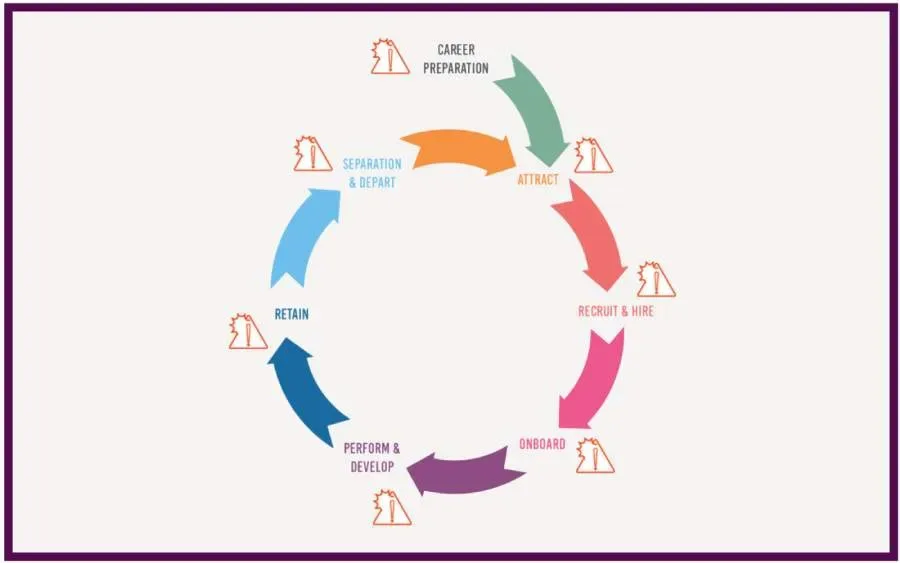
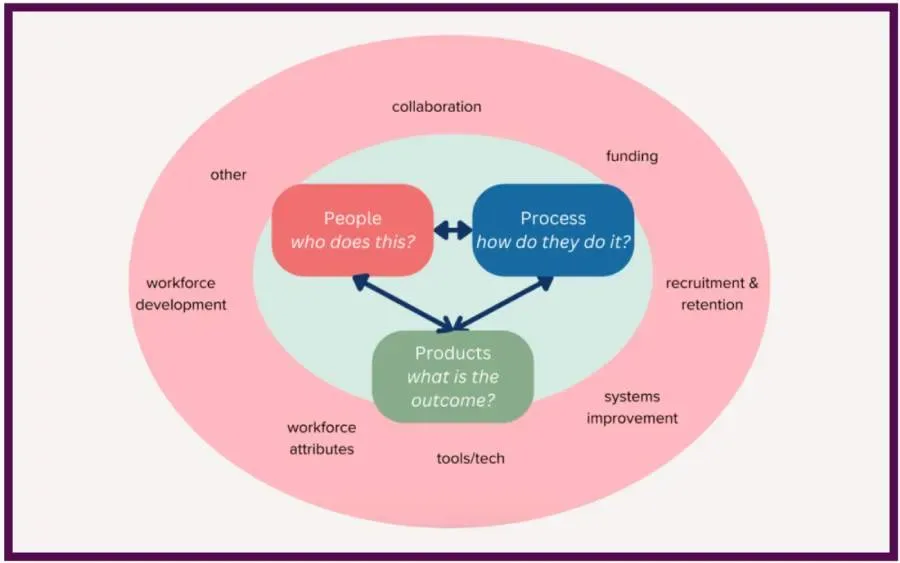
In one recent example, Breyana supported a team struggling with onboarding, recruitment, and role clarity. Using the PH LEADs Lifecycle Model, the team identified where challenges were emerging along career pathways. The PPP Model then helped them break down what was happening at each stage making the problem more concrete and solvable. Small, targeted changes to onboarding steps, communication expectations, and shared tools led to improvements across the system.
For emerging public health leaders navigating complex systems, Breyana offers grounded advice: lead with curiosity, humility, and adaptability. Communication, emotional intelligence, and relationships aren’t secondary skills; they are foundational to managing uncertainty and supporting the people who make the work possible.
Looking ahead, Breyana sees PH LEADs as a national roadmap for workforce development one that helps establish shared expectations, strengthen leadership and data capacity, and move the field from reactive responses to intentional, sustainable investment in people.
As public health continues to face recruitment, retention, and training challenges, PH LEADS provides tools that support a more prepared, responsive, and resilient workforce starting with the people at its core.
Public Health LEADS
Learn more about the Public Health LEADS program at NNPHI.
Author(s)
